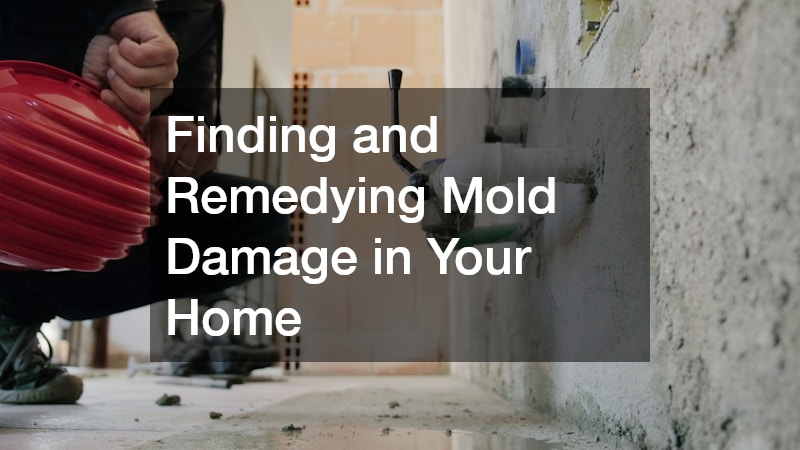
Mold is one of the most common and potentially damaging problems homeowners can face. Often caused by excess moisture, leaks, poor ventilation, or water damage, mold can spread quickly throughout a property and negatively impact both the structure of a home and the health of its occupants. Because mold frequently develops in hidden areas such as basements, attics, wall cavities, and air ducts, it can go unnoticed until it becomes a significant issue.
Fortunately, understanding the causes of mold and taking proactive measures can help prevent costly damage and health concerns. From identifying the early warning signs of mold growth to improving ventilation, addressing plumbing issues, and maintaining key areas of the home, there are many effective strategies for controlling moisture and reducing mold risks. Here, we’ll explore practical steps homeowners can take to detect, remove, and prevent mold, creating a cleaner, healthier, and more comfortable living environment.
Identify the Signs of Mold Growth
One of the first steps in tackling mold issues is recognizing the signs of mold. Dark spots on walls, an earthy smell, or areas of water damage are common indicators. It is crucial to act quickly to minimize health risks and prevent further spread. Mold can develop behind walls, under flooring, or in hidden spaces, making early detection especially important.
Mold thrives in moist environments, making basements and bathrooms usual suspects. Regular checks in these areas help in early detection and intervention. Homeowners should also inspect around windows, under sinks, and near appliances that use water. In severe cases, hiring professional mold inspection services can provide a comprehensive assessment and identify hidden sources of contamination.
The problem of mold isn’t just a cosmetic issue. It’s associated with respiratory problems and allergic reactions, among other health concerns. Prolonged exposure may worsen symptoms for individuals with asthma or weakened immune systems. Ensuring immediate action is essential once detection has been established.
Removing the Mold Effectively
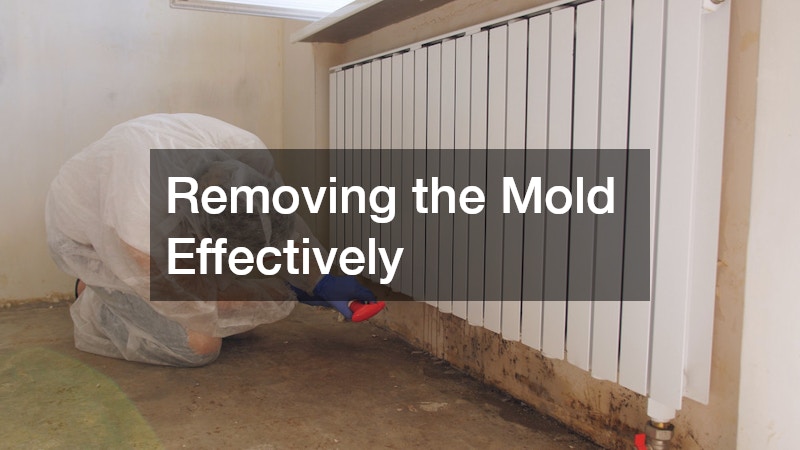
Once you’ve identified mold, the next step is mold removal. Small patches of mold can be cleaned with appropriate household products or solutions. However, extensive growth often requires professional intervention. The larger the affected area, the more important it becomes to address the issue safely and thoroughly.
Mold removal must be carried out with caution to avoid disturbing the spores further. Homeowners should wear protective gear and employ the correct cleaning techniques. Proper ventilation during the cleaning process can also help reduce exposure. Alternatively, enlisting a cleanout service can ensure thorough removal with safety measures in place.
Professional services offer comprehensive solutions by not only removing visible mold but also dealing with underlying moisture issues. Experts can identify hidden problem areas and recommend corrective measures to prevent recurrence. This approach helps prevent future growth, guaranteeing long-term peace of mind.
Preventing Future Mold Growth
Preventing mold requires constant vigilance of areas prone to dampness. Using an air purification system can help reduce airborne spores, improving indoor air quality. Additionally, maintaining humidity levels below 50% is advisable for mold inhibition. Monitoring indoor humidity with a hygrometer can make it easier to maintain ideal conditions.
In areas like basements, consider investing in a dehumidifier. This will prevent moisture accumulation and discourage mold development. Addressing leaks swiftly through plumbing repairs is also vital to curb potential mold havens. Regular maintenance of gutters and downspouts can further reduce moisture problems around the home.
Adding insulation to vulnerable parts of the home, such as attics, can also prevent mold growth. Attic mold services often highlight the importance of good ventilation in reducing moisture build-up. Sealing air leaks and ensuring proper airflow throughout the home can significantly lower the risk of future mold issues. Proper care and timely attention to these factors will mitigate mold proliferation.
Dealing With Basement Mold
Basements are particularly vulnerable to mold due to poor ventilation and higher humidity. Regular inspections can help in early identification, thereby curtailing a more significant infestation. Storage areas, corners, and spaces behind furniture should be checked frequently, as mold often develops in undisturbed locations. When managing severe growth, it may be time to consider professional attic mold services for specific situations.
Addressing any water leakage or seepage with immediate foundation repairs is essential. Seal up cracks and ensure drainage is consistently keeping water away from the foundation walls. Installing a sump pump in flood-prone areas may provide additional protection. Investing in quality materials for repairs will protect against water intrusion, reducing mold risks.
Furthermore, conducting routine water damage restoration ensures the basement remains a dry and secure area. Drying wet materials promptly after storms or plumbing incidents can prevent mold from gaining a foothold. These preventive measures are crucial for maintaining a mold-free basement environment.
Maintaining a Mold-Free Attic
The attic is commonly overlooked, but it’s a frequent hotspot for mold due to poor ventilation. Effective attic mold services incorporate routine checks and maintenance. This also includes proper insulation and adequate ventilation installation to counteract moisture buildup. Seasonal inspections can help detect roofing issues before they lead to significant moisture problems.
Regularly scheduled air duct cleaning company visits ensure that ducts aren’t circulating mold spores throughout the home. Not only does this contribute to reducing mold, but it also improves overall air quality. Clean ducts can also support HVAC efficiency and reduce the spread of allergens. Preventive maintenance in the attic will help avoid costly repairs in the long term.
Implementing a vapor barrier can also prevent excess moisture seepage from the roof. Ventilation systems that regulate air circulation will aid in maintaining ideal conditions that deter mold growth. Homeowners should also inspect for damaged roofing materials and signs of condensation during colder months. Taking these proactive measures can help keep attic spaces dry, healthy, and mold-free year-round.
Cleaning Mold From Windows
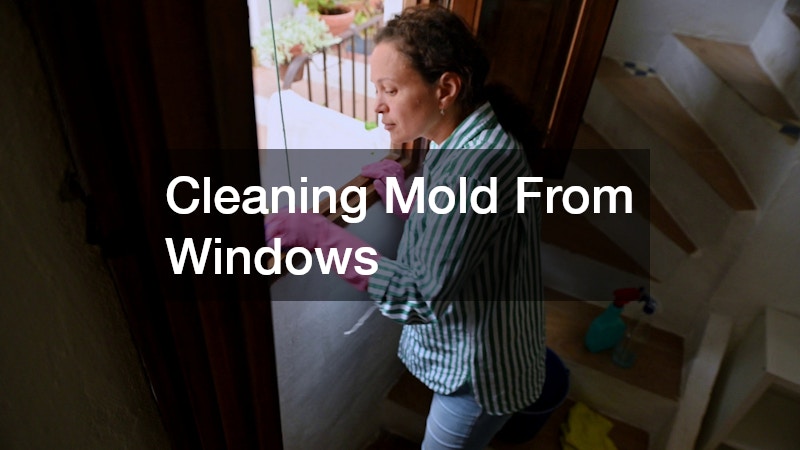
Windows can be a common spot for mold appearance due to condensation build-up. Regular window cleaning services are essential for preventing mold by removing moisture deposits. Clean windows also allow more sunlight, which naturally helps keep areas dry and mold-resistant. Increased natural light can also make it easier to spot early signs of mold growth before it becomes a larger problem.
Ensure windows are properly sealed and without cracks to reduce moisture seepage. Routine checks and maintenance can help prolong window health and reduce mold exposure in these areas. Replacing worn weatherstripping and repairing damaged seals can further improve protection against moisture intrusion. Sealing gaps effectively will further prevent mold-inducing conditions.
Furthermore, particular attention should be given to window tracks and frames, which can often harbor moisture. Dirt and debris can accumulate in these areas, creating an ideal environment for mold to develop. Simple cleaning techniques can effectively maintain these spots, preventing the growth of mold and helping preserve the condition of your windows.
Preventing Mold in Bathrooms
Bathrooms are one of the most moisture-prone areas in any home, making them a common breeding ground for mold. Daily activities such as showering, bathing, and running hot water create excess humidity that can settle on walls, ceilings, grout lines, and fixtures. Without proper moisture control, mold can develop quickly and spread to surrounding surfaces.
Proper ventilation is one of the most effective ways to reduce bathroom mold. Running an exhaust fan during and after showers helps remove excess moisture from the air, while opening windows when the weather permits can further improve airflow. Homeowners should also wipe down wet surfaces regularly and repair any dripping faucets, leaking pipes, or damaged caulking that may contribute to ongoing moisture problems.
Routine cleaning is equally important for mold prevention. Shower curtains, tile grout, and bathroom corners should be cleaned regularly to remove soap scum and organic matter that mold can feed on. Replacing worn grout or deteriorating sealant around tubs and sinks can also help prevent water from seeping into hidden areas. By combining proper ventilation, regular maintenance, and prompt repairs, homeowners can significantly reduce the likelihood of mold taking hold in the bathroom.
Fixing Plumbing Issues

Leaks and plumbing issues are major contributors to mold troubles in homes. Any suspected leaks should be attended to with immediate plumbing repairs to prevent further issues. Even small drips can create long-term moisture problems if left unresolved. Sealing leaks promptly minimizes water exposure and mold potential.
Regular inspections by a professional can prevent undetected leaks that lead to mold. Moreover, installing water alarms in leak-prone areas will alert you to immediate plumbing issues. Homeowners should also periodically inspect under sinks, around water heaters, and near appliances for signs of moisture. This proactive approach is key to maintaining a mold-free home environment.
If mold occurs due to plumbing failures, quick intervention is vital. Delaying repairs can allow mold to spread into walls, flooring, and other hidden areas. Hiring specialists to cope with both mold removal and repair work ensures thorough and effective remediation.
Purifying for Breathable Air
An air purifying system is another effective tool in combating mold. It helps reduce mold spores and allergen concentrations in the air. Investing in advanced air purification ensures that the air quality in your home remains healthy and mold-free. Many systems are designed to capture microscopic particles that may otherwise circulate throughout the home.
Air purifiers come in multiple sizes and types, catering to the specific needs of various home environments. Particularly in humid climates, they act as an effective control mechanism for indoor air quality. Choosing a model with a high-efficiency filtration system can enhance overall effectiveness. The use of this technology offers enduring protection from mold-related issues.
Operating air purifiers regularly can also decrease the recurrence of musty odors caused by mold. Combined with proper ventilation and humidity control, they provide an extra layer of defense against indoor contaminants. This preventive measure supports a healthier home atmosphere, ensuring well-being and comfort for inhabitants.
Flushing Mold From Air Ducts
Air ducts can harbor mold spores and circulate them throughout a home. Engaging a reputable air duct cleaning company provides thorough checks and cleanings to prevent this spread. Regular cleaning keeps ductwork functioning efficiently and reduces mold risks. It also helps remove dust, debris, and other contaminants that may impact indoor air quality.
Unhindered airflow is crucial for maintaining a healthy environment; thus, clean ducts are essential. This process should form a part of routine maintenance to mitigate potential mold breeding grounds within ducts. Homes with pets, allergies, or previous water damage may benefit from more frequent inspections. Effective air duct cleaning will preserve the home’s air quality while reducing allergy triggers.
Periodic assessments and servicing of HVAC systems by professionals can detect and rectify issues early on. Addressing condensation around ductwork and ensuring proper airflow can significantly reduce moisture accumulation. An efficient ductwork system is less prone to mold accumulation, ensuring a healthier home.
Rebuilding Foundation Issues
The structural integrity of your home plays a significant role in preventing mold. Proper maintenance and timely foundation repairs help protect against water intrusion, warding off a major mold contributor. Ensuring foundations are crack-free and sound maintains the dry environment ideal for mold prevention. A strong foundation also helps prevent moisture from entering crawl spaces and basements.
Regular inspections should identify potential problem areas before they become severe. Addressing issues such as water pooling near the foundation promptly safeguards against seepage. Maintaining proper grading around the home and keeping gutters clear can further direct water away from vulnerable areas. Such vigilance in foundation upkeep is critical to overall home health and reduced mold likelihood.
The foundation acts as the home’s backbone; thus, consistent care and repairs are invaluable. Investing in preventative maintenance today can help avoid costly structural and mold-related repairs in the future. Understanding and addressing foundational vulnerabilities enables the minimization of mold risks comprehensively.
Finding and remedying mold damage in your home requires a combination of awareness, prompt action, and ongoing maintenance. From identifying early signs of mold growth to addressing moisture issues in basements, attics, windows, plumbing systems, and foundations, every step plays a role in protecting your property and your health. By staying proactive with inspections, repairs, and preventative measures, homeowners can significantly reduce the risk of mold-related problems before they become costly or hazardous.
Maintaining proper ventilation, controlling indoor humidity, and investing in routine cleaning and maintenance services can create an environment where mold struggles to thrive. While minor issues can often be handled independently, professional assistance may be necessary when mold growth is extensive or hidden from view. With a comprehensive approach to prevention and remediation, you can preserve your home’s structural integrity, improve indoor air quality, and enjoy a safer, healthier living space for years to come.