
Maintaining a home requires continuous effort, but establishing a structured seasonal inspection routine is the most effective way to protect your investment and prevent small maintenance issues from escalating into major repairs. Weather conditions change drastically throughout the year, placing unique demands on every structural and mechanical component of your residence. By conducting systematic seasonal evaluations, homeowners can identify early signs of wear, improve energy efficiency, and ensure their physical safety. Staying attentive to early warning signs saves significant time, money, and stress over the long lifespan of your house.
Taking a proactive approach to property maintenance allows you to address potential vulnerabilities before severe weather or simple age causes catastrophic failures. This detailed seasonal inspection guide breaks down the essential maintenance steps you need to complete during spring, summer, fall, and winter. Following these actionable inspection strategies will help you keep your residence secure, comfortable, and financially sound all year long.
Spring Inspections for Exterior Resilience

Spring brings warmer weather alongside heavy rain and sudden temperature swings. After months of freezing conditions, snow accumulation, and bitter winds, your house requires a thorough exterior assessment to fix winter damage and prepare for seasonal storms.
Inspecting Shingles, Flashing, and Gutters
Begin your spring assessment by examining the roof structure from the ground using binoculars, or safely from a ladder. Look for shingles that are cracked, curled, loose, or missing entirely, as these open pathways for water intrusion. Pay special attention to roof valleys, chimneys, vent pipes, and skylights where flashing can pull away or corrode over time. If you notice widespread granule loss, sagging rooflines, or extensive water damage in the attic, it may be time to consult a qualified roof replacement contractor to evaluate whether a full overhaul is necessary. Clean out leaves, twigs, and accumulated debris from your gutters and downspouts, ensuring that water flows freely away from the foundation.
Checking Exterior Walls, Siding, and Foundation
Inspect your home exterior siding for signs of warping, rot, loose panels, or cracking. Power wash brick or vinyl surfaces to remove built-up dirt, mold, and mildew, which can trap moisture against structural elements. Walk around the foundation perimeter to look for horizontal or vertical cracks, spalling concrete, or areas where ground soil has settled and sloped back toward the foundation wall. Correcting soil grading early prevents groundwater from pooling around basement walls during heavy spring rainstorms.
Assessing Window Seals and Outdoor Drainage
Deteriorated seals around windows and doors permit moisture to penetrate wood framing while allowing conditioned air to escape. Replace any caulk around exterior frames that appears dried out or cracked, and inspect weatherstripping along door frames. Heavy spring rains also test your property drainage systems. Check that downspout extensions direct rainwater at least five to six feet away from your home foundation. Verify that your sump pump operates properly by pouring a bucket of water directly into the pit to test the automatic float switch and discharge line.
Spring Mechanical and Plumbing Tune-Ups

As winter ends, critical mechanical components and indoor plumbing networks transition to warm-weather operation. Performing timely spring maintenance ensures efficient performance throughout the summer months.
Servicing Cooling Equipment and Condenser Units
Clear at least two feet of space around your exterior air conditioning condenser unit by removing weeds, leaves, brush, and windblown trash. Inspect the aluminum fins on the unit for bending or blockage, and clear away light surface dirt using a gentle stream from a garden hose. Inspect electrical wiring connections and refrigerant lines for visible damage or wear, then hire a trusted local ac service to verify system pressures, test electrical capacitors, and tune up the unit before hot weather arrives.
Checking Indoor Plumbing, Fixtures, and Moisture
Check all interior faucets, toilets, and exposed supply lines under sinks for subtle drips or corrosion. Test indoor water pressure using a gauge attached to an outdoor spigot; pressure should consistently read between forty and sixty pounds per square inch to avoid straining internal plumbing lines. If you experience persistent drain backups, foul odors, or an unexplained drop in water pressure, schedule professional plumbing inspection services to diagnose potential internal pipe buildup or hidden leaks. Enter attics and crawlspaces to search for standing water, damp ground soil, sagging floor joists, or mold growth.
Summer Maintenance and Safety Checks

Summer brings intense heat, prolonged exposure to sunlight, heavy air conditioning usage, and high traffic in outdoor living areas. Summer inspections focus on exterior structural integrity, outdoor amenities, and overall property security.
Securing Outdoor Living Spaces, Decks, and Pools
Wood decks, railings, and perimeter fences suffer significant wear from direct sunlight and humidity. Check wooden deck boards for splinters, rot, or popping nails, and ensure that support posts, joists, and handrails remain securely anchored. Re-apply water-repellent stain or sealant every few years to keep wood protected. Outdoor water features also require rigorous safety and functional checks throughout the summer season. Inspect pool liners or plaster surfaces for cracking, staining, or tears, and test water chemistry regularly. Owners of in ground pools should carefully inspect perimeter safety fencing, self-closing gate hinges, and pool alarm systems to prevent accidental falls and keep children safe.
Checking Pest Barriers and Structural Vulnerabilities
Warm summer weather accelerates insect and rodent activity around your property perimeter. Inspect exterior walls, foundations, soffits, and utility line entry points for gaps or holes where pests can enter. Trim tree branches back at least six feet from your roofline to prevent squirrels and raccoons from gaining easy roof access. If you discover signs of wood-boring insects, termite mud tubes, or rodent nests, contact an experienced pest control contractor to establish a protective barrier around your home.
Maintaining Overhead Doors and Access Points
Automated garage doors represent the largest moving barrier on your property and require routine safety evaluations. Test the automatic reverse mechanism by placing a wood block under the closing door to ensure it stops and reverses instantly upon contact. Inspect steel cables, rollers, pulleys, and track alignment for visible wear or fraying. When you encounter sticking tracks, broken torsion springs, or noisy openers, rely on experts in local garage door repairs to adjust springs and balance the door safely.
Autumn Preparation for Cold Weather
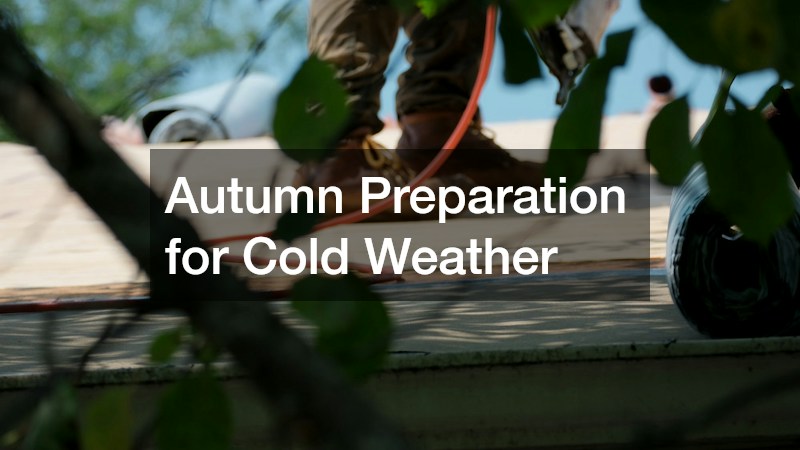
Autumn is the critical transition window when homeowners must prepare their physical structure and mechanical systems for freezing temperatures, ice, and heavy snow loads. Thorough fall inspections reduce heating costs and protect structural integrity.
Evaluating Roof Conditions and Flashing Joints
Falling leaves and autumn windstorms highlight the importance of an intact roofing system. Clear all accumulation from valleys, roof gutters, and downspouts so melting snow can drain freely during winter thaws. Check flashing around chimneys, skylights, and vent stacks for cracks in sealant or rusted metal. Promptly hire a licensed technician for any necessary roof repair to fix broken shingles or compromised seams before freezing temperatures cause water to expand in small cracks.
Assessing Chimneys, Flues, and Exposed Piping
Wood-burning fireplaces and masonry chimneys require thorough annual safety checks before winter heating begins. Inspect exterior chimney brickwork and mortar joints for cracks, spalling, or loose bricks that allow water to enter. Open the flue damper to ensure it operates smoothly, and use a flashlight to check the firebox for cracked firebricks. Additionally, disconnect, drain, and store all outdoor garden hoses before the first hard freeze, wrapping exposed plumbing pipes in unheated basements, crawlspaces, or exterior walls with foam pipe insulation or heat tape to guard against freezing.
Fall HVAC and Indoor Air Quality Hacks
Your indoor heating and ventilation equipment works hardest during the chilly fall and winter months. Preparing these systems ensures steady heat and clean indoor air throughout the cold season.
Servicing Heating Systems and Heat Pumps
Schedule annual maintenance for your central furnace, boiler, or heat pump before cold weather sets in. Replace basic air filters or clean electronic air filtration units to maintain steady airflow and system efficiency. Test your thermostat to ensure it accurately triggers heating cycles, and consider upgrading to a programmable or smart thermostat to optimize fuel consumption. For thorough system tune-ups, relying on professional heating technicians ensures safety valves, burners, and heat exchangers operate without defect.
Inspecting Ductwork and Safety Systems
Sealed, clean air ducts ensure even heat distribution and healthier indoor air during months when windows remain closed. Inspect visible metal ductwork in attics or basements for loose joints, fallen insulation, or disconnected branch lines. Seal accessible duct seams using foil-backed tape or specialized duct mastic. If your home has excessive dust buildup, unexplained allergy symptoms, or uneven room temperatures, schedule air duct cleaning services to remove debris and improve system airflow. Always test all smoke detectors and carbon monoxide alarms on every floor, replacing batteries immediately or installing fresh sealed units.
Winter Vigilance and Deep System Checks
Winter places maximum stress on your home envelope, roof structure, and plumbing infrastructure. Vigilant winter monitoring helps you spot emergencies early and handle structural stress caused by snow and ice.
Monitoring Roof Ice Dams and Heavy Snow Accumulation
Heavy snow loads combined with heat escaping from poorly insulated attics create dangerous ice dams along roof eaves. Ice dams prevent melting snow from draining off the roof, forcing liquid water back under shingles and into interior ceilings. Monitor roof edges for thick ice ridges and oversized icicles. Use a roof rake from the ground to safely clear heavy snow accumulation from eave lines after major winter storms, protecting your structure from excess weight.
Preventing and Managing Frozen Pipe Emergencies
During extreme cold snaps, keep cabinet doors open under kitchen and bathroom sinks to allow warm ambient air to circulate around plumbing. Allow interior faucets connected to vulnerable exterior walls to drip slowly, relieving pressure within the supply lines. Know the exact location of your main water shutoff valve so you can close it instantly if a pipe ruptures. If you notice slow drains, gurgling toilets, or sewage backups during deep freezes, hire a professional crew to perform sewer line repair before pipes freeze solid or burst underground.
Draft Proofing and Thermal Envelope Checks
Feel along exterior walls, electrical outlets, baseboards, and attic hatches for cold drafts during windy winter days. Apply foam outlet gaskets behind faceplates on exterior walls to block air infiltration. Use heavy thermal curtains over large windows at night to retain indoor warmth, opening them during sunny daylight hours for natural passive solar heating. Simple draft stoppers placed at the base of interior doors leading to unheated spaces like garages significantly lower winter fuel usage, keeping your indoor spaces comfortable and reducing monthly energy bills.
Creating a Sustainable Maintenance Schedule
Consistency is the secret to successful long-term property management. Organizing your inspection tasks into manageable seasonal checklists prevents you from feeling overwhelmed while ensuring no crucial detail is overlooked.
Documenting Your Inspection Findings
Keep a dedicated home maintenance journal or digital spreadsheet to log the date and results of every seasonal check. Take photos of roof shingles, foundation walls, furnace tags, and water heaters to establish a visual baseline over time. Recording when filters are replaced, gutters are cleaned, and mechanical systems are serviced creates a clear history that helps you predict future maintenance needs and prove diligent care to prospective buyers if you sell your home.
Budgeting for Regular Upkeep and Repairs
Set aside a dedicated home maintenance fund equal to one to two percent of your property value each year to cover routine upkeep and unexpected component failures. Budgeting ahead eliminates the stress of replacing a water heater or fixing a roof leak. Investing small amounts in seasonal tune-ups continuously protects your overall property value while dramatically reducing the likelihood of catastrophic structural emergencies.
Taking care of a residential property requires systematic attention, but breaking maintenance tasks down by season keeps the process manageable and effective. By following these clear, practical steps throughout spring, summer, fall, and winter, you can safeguard your home against severe weather, optimize energy efficiency, and maintain a secure living environment for years to come. Developing these reliable inspection habits guarantees peace of mind while protecting the true equity of your residence.